



Preschool enrichment programs provide children with learning experiences beyond the standard curriculum. Platforms like Toddlers App help centers manage and deliver these programs effectively.
This guide explains preschool enrichment programs in detail and offers practical ideas for implementation. Each section highlights benefits best practices and program options.
What Are Preschool Enrichment Programs
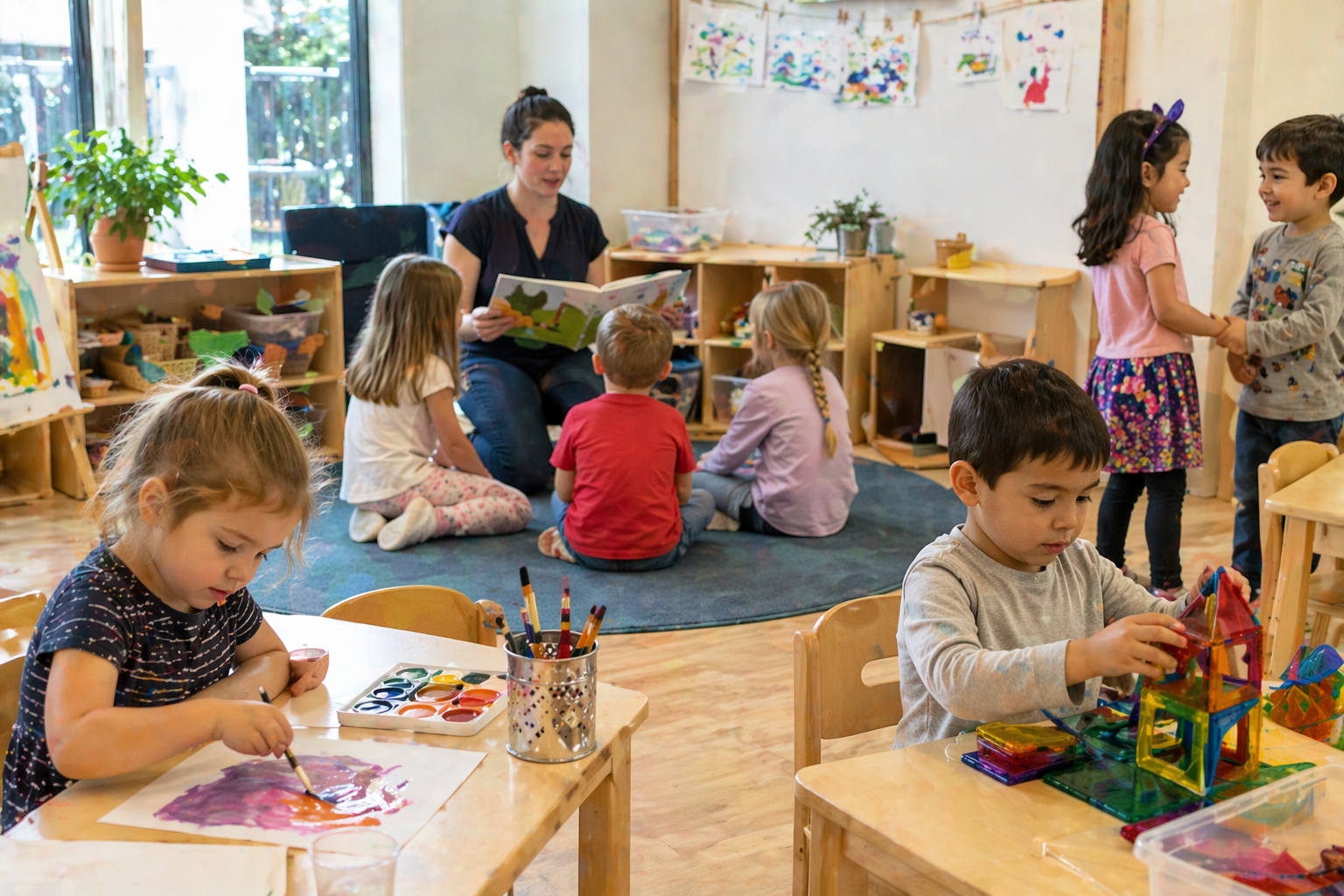
Enrichment programs provide additional educational experiences. Activities focus on arts science language physical fitness and social development. Children engage in hands on learning that complements core lessons.
Enrichment is designed to stimulate curiosity encourage exploration and develop confidence. Programs vary in duration frequency and focus depending on center goals.
Why Enrichment Programs Matter
Enrichment experiences support holistic growth. Children develop skills not always addressed in traditional lessons. Early exposure helps build future academic and social success.
Key Benefits
- Enhanced creativity and imagination
- Improved language and communication skills
- Stronger problem solving abilitie
- Positive social interaction with peers
Programs create a well rounded foundation for lifelong learning.
Types of Preschool Enrichment Programs
Centers can choose from multiple enrichment types based on resources and child needs. Programs may focus on arts STEM literacy physical activity or cultural exposure.
Popular Program Options
- Art and music activitis
- Science experiments and exploration
- Language and literacy games
- Physical education and movement classes
- Cultural and social awareness experiences
Variety ensures children experience multiple learning domains.
Arts and Music Enrichment
Arts programs encourage self expression and creativity. Music activities support rhythm coordination memory and listening skills. Children enjoy expressing themselves through hands on activities.
Example Activities
- Painting with different textures and tools
- Clay or playdough modeling
- Singing and musical instruments
- Simple dance routines
Art and music help children explore and communicate emotions
STEM and Science Enrichment
Science technology engineering and math programs promote critical thinking. Children explore concepts through observation experimentation and problem solving.
Example STEM Activities
- Simple experiments with safe materials
- Building and construction projects
- Counting and measurement games
- Nature exploration and observation
STEM enrichment prepares children for future academic challenges.
Language and Literacy Programs
Language activities improve vocabulary comprehension and communication. Literacy programs introduce reading and writing skills in interactive ways.
Example Literacy Activities
- Storytelling and role playing
- Letter recognition games
- Rhyming and word matching
- Writing practice with guided prompts
Language enrichment supports early reading readiness.
Physical Fitness and Movement Programs
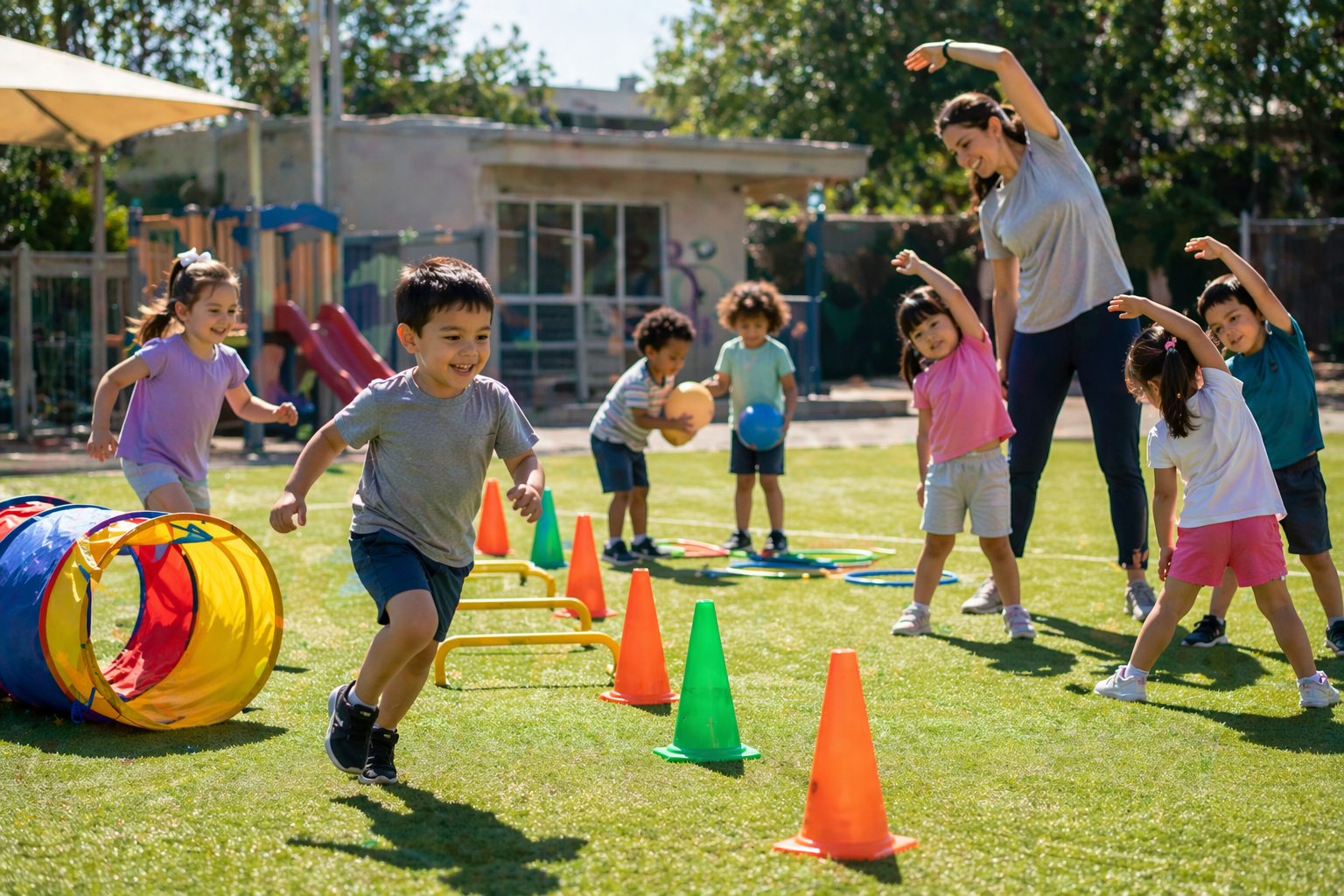
Physical activity promotes health coordination and teamwork. Movement activities enhance motor skills and provide energy outlets.
Example Physical Activities
- Group movement games
- Obstacle courses
- Yoga and stretching exercises
- Simple sports and ball games
Movement enrichment encourages healthy active lifestyles.
Cultural and Social Awareness Programs
Cultural enrichment introduces children to different traditions customs and perspectives. Social programs develop empathy cooperation and problem solving.
Example Cultural Activities
- Learning about holidays from around the world
- Simple cooking and tasting activities
- Cooperative games and team challenges
- Storytelling from different cultures
Cultural and social enrichment builds inclusive attitudes and understanding.
Designing an Enrichment Schedule
A structured schedule ensures balance between core lessons and enrichment activities. Programs can be integrated daily or offered in focused sessions.
Scheduling Tips
- Alternate activity types for variety
- Maintain age appropriate duration
- Balance active and calm activities
- Allow flexibility for child interest
Thoughtful scheduling improves engagement and outcomes.
Staff Preparation for Enrichment Programs
Trained staff deliver more effective enrichment experiences. Teachers should understand program goals materials and instructions.
Staff Preparation Steps
- Provide clear lesson plans and objectives
- Train staff in activity procedures
- Encourage creative adaptation for children
- Monitor and guide participation
Prepared staff enhance quality and safety.
Engaging Families in Enrichment Programs
Family involvement strengthens program impact. Parents appreciate updates on enrichment activities and outcomes.
Ways to Involve Families
- Share weekly activity highlights
- Invite parent participation in special events
- Provide take home materials or suggestions
- Encourage discussions about learning at home
Family engagement reinforces child development and learning.
Measuring Enrichment Program Success
Assessment ensures programs meet intended goals. Observation and feedback guide improvements.
Evaluation Methods
- Track child participation and engagement
- Note skill development and creativity growth
- Gather staff and parent feedback
- Adjust activities based on observations
Continuous evaluation supports effective enrichment.
Technology and Enrichment Programs
Digital tools can support enrichment tracking and planning. Technology enhances record keeping and communication with families.
Technology Benefits
- Simplified scheduling and attendance tracking
- Easy sharing of activity outcomes with parents
- Access to digital learning resources
- Improved program organization
Technology strengthens program management and parent satisfaction.
Future of Preschool Enrichment Programs
Enrichment programs will continue to evolve with educational research and child care trends. Early exposure to diverse activities prepares children for changing academic and social landscapes.
Centers that adopt varied enrichment options position themselves as leaders in quality early childhood education.
Conclusion
Preschool enrichment programs provide meaningful opportunities for learning growth and fun. Centers that implement well planned activities support creativity social skills and overall development.
Enrichment experiences build confident curious and capable children. Thoughtful design staff preparation family involvement and ongoing evaluation create successful programs that benefit children families and centers alike.