




A preschool welcome letter sets the tone for the school year. It introduces families to the classroom staff policies and learning environment. A well written letter builds trust engages parents and creates excitement for children. This guide provides steps to craft a welcoming and professional letter for preschool families. Platforms like Toddlers App help simplify communication between preschools and families.
Why a Welcome Letter Matters
Welcome letters provide clear communication from the start. Parents feel informed and supported. Children experience a smooth transition into preschool. Letters also reinforce professionalism and care.
Key Benefits
- Builds parent trust and confidence
- Communicates expectations and routines
- Supports smooth child transitions
- Establishes positive relationships
A clear welcome letter enhances the overall preschool experience.
Essential Elements of a Welcome Letter
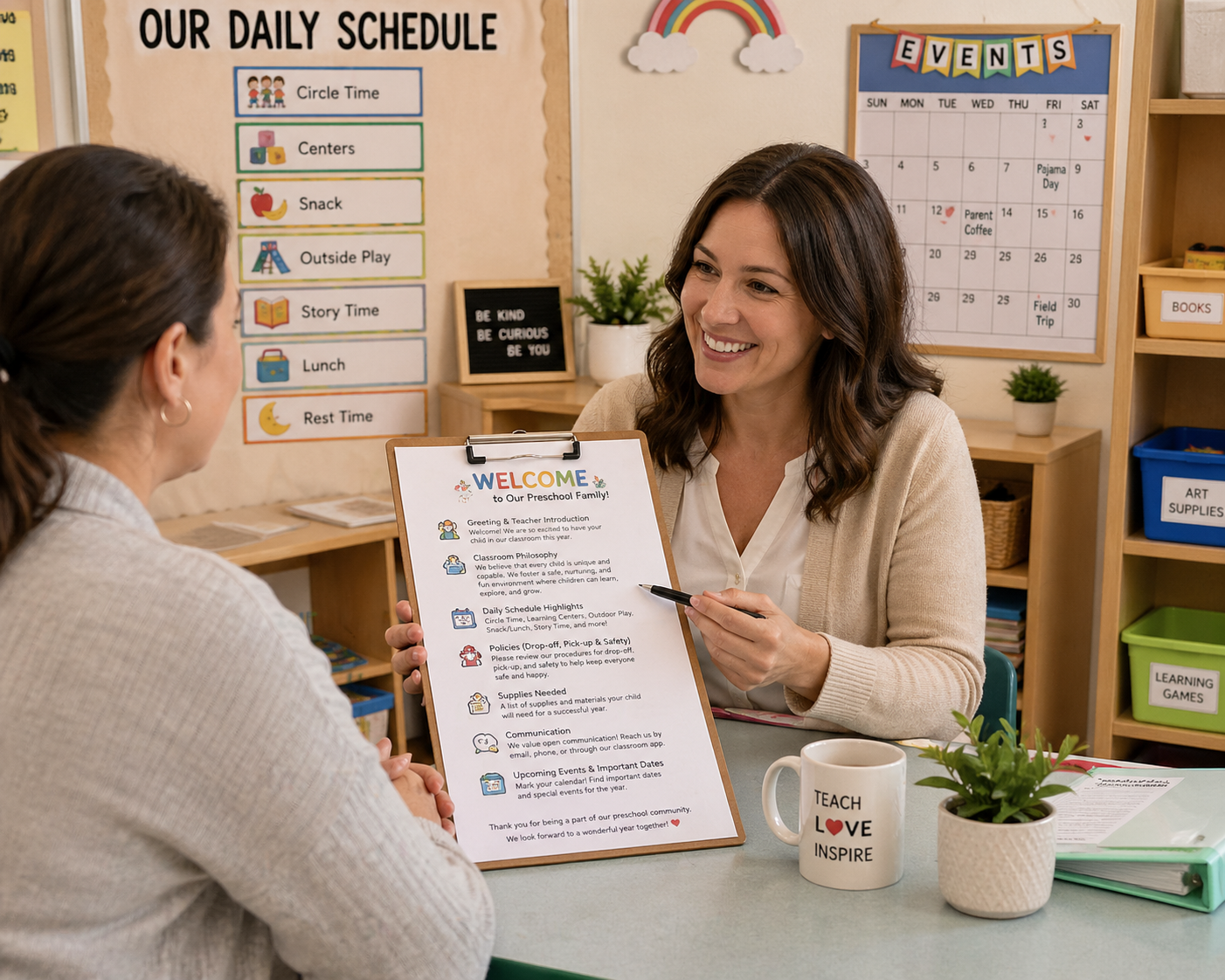
A strong letter includes specific components. Families should understand staff roles school policies and daily routines.
Components to Include
- Greeting and introduction of teachers
- Brief overview of classroom philosophy
- Daily schedule highlights
- Policies on drop off pick up and safety
- Supplies or materials needed from families
- Ways to communicate with staff
- Upcoming events and important dates
Including these elements ensures families have a complete understanding.
Crafting a Friendly Tone
The tone of the letter should be warm and inviting. Parents appreciate a professional approach with personal touches. Children respond positively when they sense excitement and care.
Tone Tips
- Use welcoming language
- Highlight positive expectations
- Include encouraging phrases about learning and growth
- Avoid overly formal or complex language
A friendly tone fosters connection and comfort.
Introducing Staff and Classroom Team
Families want to know who will be working with their children. Introduce teachers assistants and support staff clearly. This builds confidence and helps children feel secure.
Staff Introduction Tips
- Include staff names and roles
- Add short friendly descriptions
- Mention experience or expertise
- Consider including a photo or illustration
Staff introduction strengthens trust and transparency.
Explaining Daily Routines
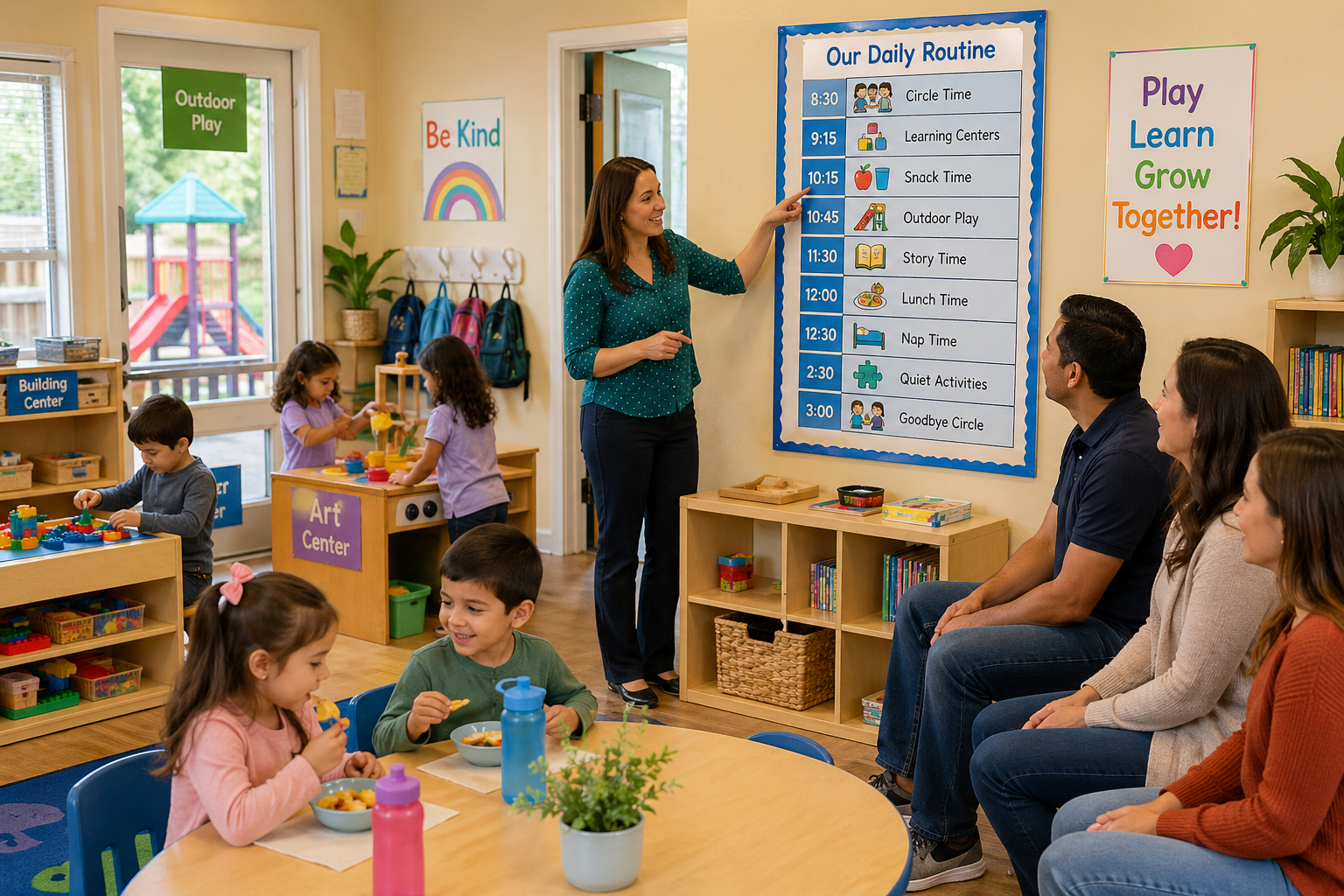
Parents need to understand the daily flow of the classroom. Outline key activities and transitions. Clear routines help children adjust and prepare families.
Routine Description Tips
- Provide a sample daily schedule
- Highlight learning centers and playtime
- Explain snack and meal times
- Describe outdoor or movement periods
Routine explanations give families confidence in the program structure.
Communicating Policies Clearly
Policies on attendance safety and behavior should be straightforward. Clear communication reduces confusion and ensures consistency.
Policy Communication Tips
- List drop off and pick up procedures
- Explain safety rules and procedures
- Outline illness or emergency protocols
- Share classroom expectations for behavior
Clarity in policies supports a safe and organized environment.
Providing Supplies and Materials Information
Parents need to know what children should bring. A detailed list prevents confusion and ensures children are prepared.
Supply List Tips
- Include clothing items and extra clothes
- List learning materials like crayons or notebooks
- Mention any seasonal items needed
- Suggest labeled containers or bags
Clear supply information simplifies preparation and organization.
Sharing Communication Channels
Families benefit from knowing how to contact staff. Clear communication lines improve cooperation and responsiveness.
Communication Tips
- Provide phone and email contact
- Share preferred times for questions or meetings
- Introduce classroom newsletters or apps
- Explain how updates will be shared
Accessible communication encourages engagement and partnership.
Highlighting Upcoming Events
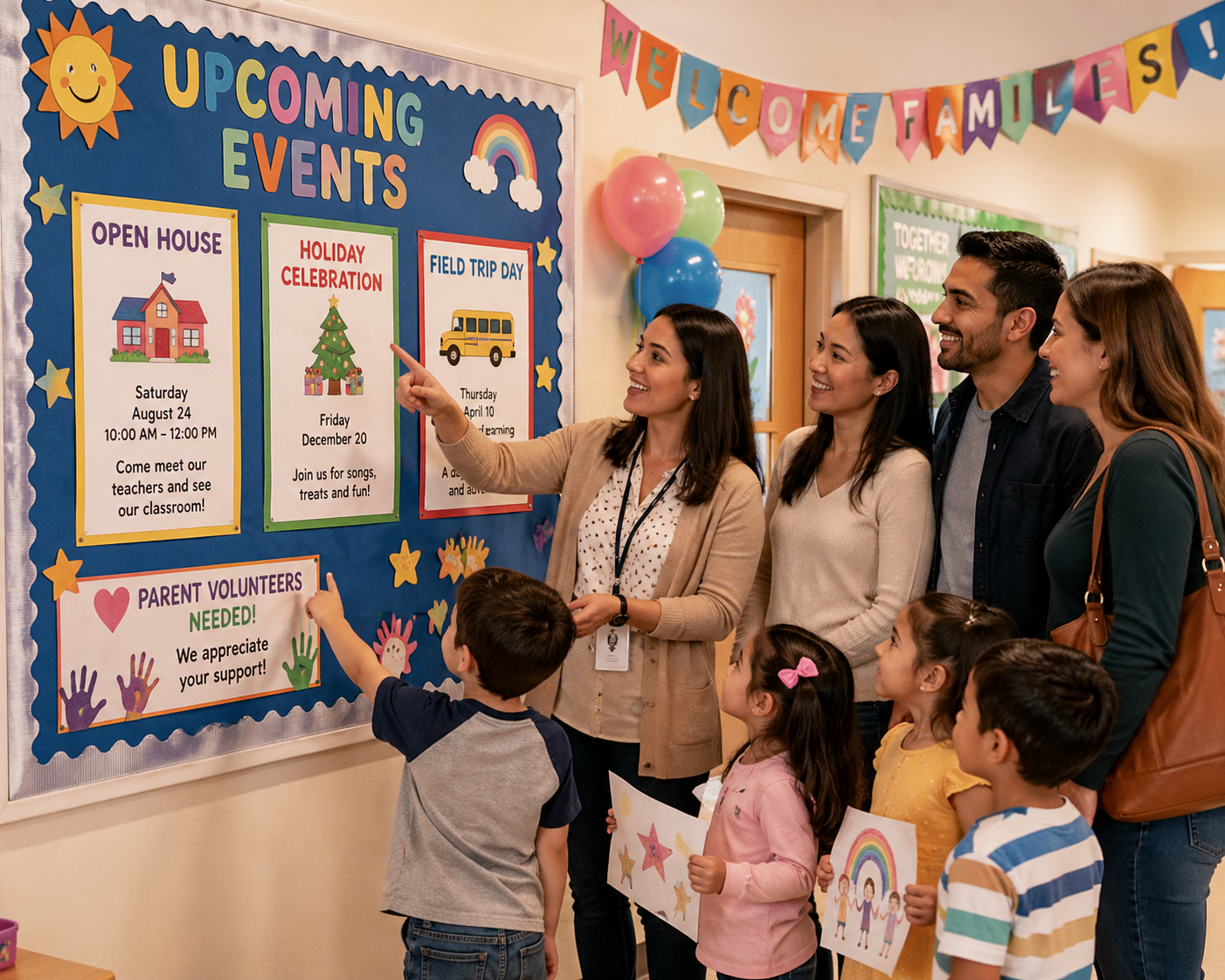
Parents appreciate awareness of school events. Sharing key dates helps families plan and participate.
Event Highlight Tips
- Include orientation or open house dates
- Mention holiday celebrations or themed weeks
- Outline parent volunteer opportunities
- Provide reminders for field trips or special activities
Event awareness fosters involvement and excitement.
Adding a Personal Touch
Personalization makes letters memorable. Include brief stories or classroom philosophy. Mention excitement for the year and child growth.
Personalization Tips
- Address families directly
- Express enthusiasm for learning
- Include child centered messages
- Highlight commitment to care and safety
Personal touches strengthen connection and trust.
Formatting and Presentation
Presentation affects readability and professionalism. Organize content clearly with headings and bullet points. Keep paragraphs concise.
Formatting Tips
- Use clear headings for sections
- Break content into short readable sections
- Highlight important dates or items
- Use friendly fonts and spacing
Good formatting ensures the letter is easy to read and professional.
Reviewing and Editing
A polished letter reflects professionalism. Review for clarity grammar and completeness. Consider feedback from colleagues.
Review Tips
- Read aloud to check tone
- Confirm all dates and procedures are accurate
- Check for spelling and grammar
- Make adjustments for clarity
Editing ensures the letter communicates effectively.
Distributing the Welcome Letter
Timely distribution ensures families have information before school begins. Use multiple channels if needed.
Distribution Tips
- Send letters via email and print copies
- Provide during orientation or open house
- Include in first day welcome packets
- Post on classroom bulletin board or online portal
Proper distribution increases accessibility and engagement.
Conclusion
A preschool welcome letter sets a positive tone for the school year. Including essential information staff introductions routines policies and events supports families. Clear friendly communication builds trust and engagement. Thoughtful formatting and personal touches make the letter memorable.
Crafting a professional and inviting letter helps children transition smoothly supports parent confidence and creates a strong foundation for a successful preschool experience.