



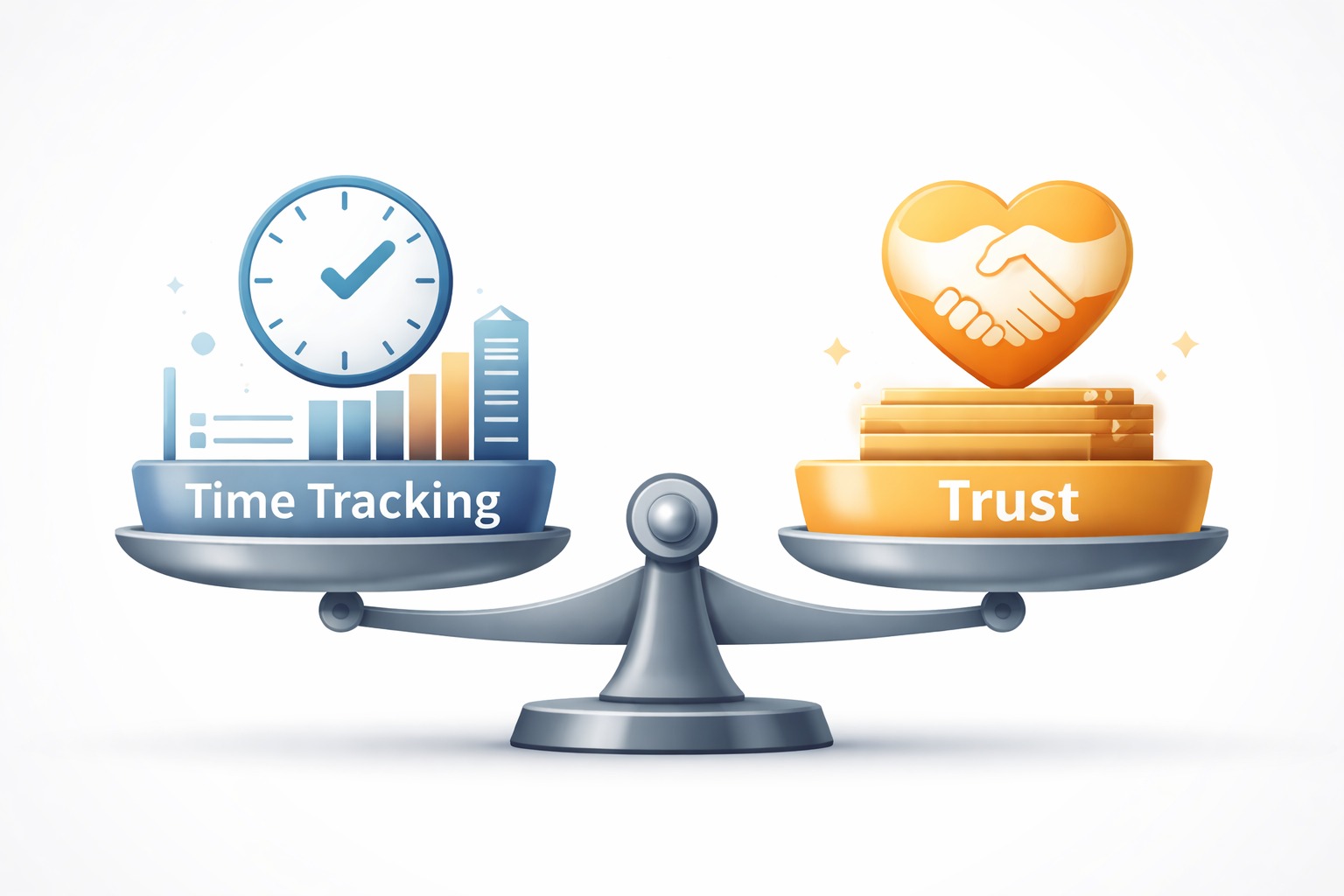
Modern workplaces face a growing challenge in managing staff performance effectively. Leaders want accountability while employees expect autonomy and respect. Time tracking tools promise visibility and control while trust builds motivation and ownership. Finding the right balance between time tracking and trust is essential for healthy staff oversight.
Understanding Time Tracking in Modern Workplaces
Time tracking refers to monitoring work hours and task duration using digital tools. Many organizations adopt these systems to improve productivity accuracy and billing transparency. Time tracking offers data that helps managers understand workload distribution. It also supports planning and performance evaluation.
Common Uses of Time Tracking
- Monitoring work hours
- Measuring task duration
- Supporting payroll accuracy
Time tracking provides structure and clarity when used thoughtfully.
The Importance of Trust in Staff Oversight
Trust is a core element of high performing teams. Employees who feel trusted show stronger engagement and commitment. Trust empowers people to manage their responsibilities independently. It encourages accountability driven by ownership rather than fear.
Benefits of Trust Based Management
- Higher motivation levels
- Stronger employee loyalty
- Improved creativity
Trust creates an environment where people want to perform well.

Where Time Tracking Adds Value
Time tracking is useful in roles that require accurate time reporting. Client billing project management and compliance often depend on reliable time data. When implemented transparently time tracking supports fairness and consistency. Employees understand expectations and outcomes.
Positive Impacts of Time Tracking
- Clear performance metrics
- Improved workload planning
- Reduced disputes
Used correctly time tracking becomes a support tool rather than a control mechanism.
Risks of Overusing Time Tracking
Excessive monitoring can harm morale and trust. Employees may feel watched rather than supported. Overuse of tracking tools can shift focus from results to hours logged. This reduces creativity and initiative.
Potential Downsides
- Increased stress levels
- Reduced job satisfaction
- Lower engagement
Poor implementation can damage workplace culture.
Why Trust Alone Is Not Always Enough
Trust without structure can create confusion and inconsistency. Some roles require visibility to ensure deadlines and standards are met. New teams and growing organizations often need systems to guide performance. Clear frameworks help employees understand priorities.
Limitations of Pure Trust Models
- Lack of performance clarity
- Difficulty measuring output
- Uneven workload distribution
Trust works best when supported by clear expectations.
Balancing Oversight with Autonomy
The key to effective staff oversight lies in balance. Leaders should use time tracking for insight rather than surveillance. Focus on outcomes rather than constant monitoring. Employees should feel guided not controlled.
Balanced Oversight Practices
- Track progress not behaviou
- Share purpose of tracking openly
- Combine data with dialogue
Balance supports both accountability and empowerment.
Communicating the Purpose of Time Tracking
Transparency builds acceptance. Employees respond better when they understand why tracking exists. Leaders should explain how data helps planning fairness and workload balance. Open communication reduces resistance.
Communication Strategies
- Explain benefits clearly
- Invite employee feedback
- Address concerns early
Clear communication strengthens trust even with tracking systems.
Shifting Focus from Hours to Results
Modern performance management values outcomes over time spent. Measuring results aligns with trust based leadership. Time tracking should support results not replace them. Employees perform best when judged by impact.
Result Focused Approaches
- Set clear goals
- Measure deliverables
- Reward performance outcomes
Outcome driven models build confidence and productivity.
Using Technology Responsibly
Technology should support people not pressure them. Ethical use of tracking tools protects dignity and privacy. Leaders must ensure data is used fairly and securely. Responsible use strengthens organisational integrity.
Responsible Technology Use
- Limit unnecessary tracking
- Protect employee data
- Review policies regularly
Ethical practices reinforce trust and compliance.
Adapting Oversight for Remote Teams
Remote work increases the need for balance. Tracking provides visibility while trust supports flexibility. Managers should avoid micromanagement and focus on communication and results.
Remote Oversight Principles
- Set clear expectations
- Maintain regular check ins
- Trust professional judgement
Balanced oversight keeps remote teams productive and engaged.

Building a Culture of Accountability
Accountability grows when employees understand responsibility and feel trusted. Systems should support rather than replace accountability. Culture plays a bigger role than tools. Strong values guide behavior even without monitoring.
Accountability Builders
- Clear ownership of tasks
- Open performance discussions
Consistent leadership behavior
Culture driven accountability sustains performance.
Finding the Right Balance
There is no universal approach to staff oversight. Each organization must consider its goals industry and team maturity. The best balance blends structure with respect. Trust and time tracking work best when aligned thoughtfully.
Conclusion
Time tracking and trust are not opposing forces. When used together wisely they create clarity accountability and motivation. Effective staff oversight focuses on people as much as performance. Organizations that balance tracking with trust build engaged productive and resilient teams prepared for modern work challenges.